What the Data Shows and What It Means for Your Cemetery
Cremation now accounts for 61.8% of U.S. deaths, according to CANA. For Catholic cemeteries, that number is no longer a future concern. It is a present one. And current projections indicate cremations will rise above 82% within the next two decades.
Catholic cemetery cremation planning looks different diocese by diocese, but for cemetery leadership, this is not just about more families choosing cremation. It is about what those families will need next. A growing share will be looking for forms of memorialization that don’t fit the patterns Catholic cemeteries were designed around.
This isn’t just a broader industry trend showing up in Catholic cemeteries. And it shouldn’t be read as families stepping away from the Church or from the idea of permanent remembrance.
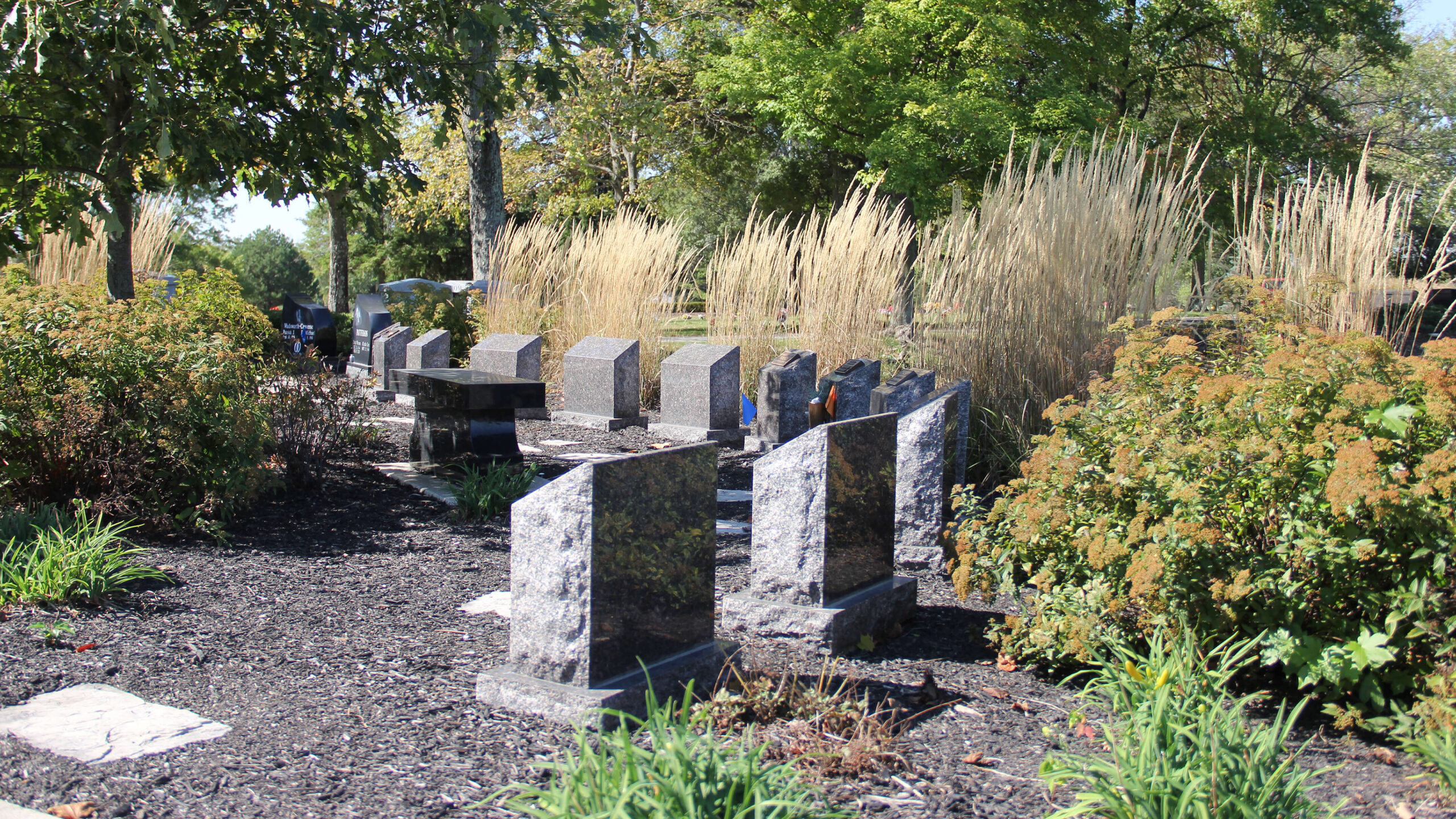
In most cases, families are making practical decisions under pressure from cost, geography, timing, and convenience. Those factors carry weight. But even within those choices, the desire for a sacred and permanent place of remembrance remains, whether in the form of a columbarium, family plot, or a thoughtfully designed cremation garden.
The USCCB has permitted cremation for decades while continuing to prefer burial and requiring that cremated remains be placed in a sacred place, such as a cemetery or columbarium. At the same time, a recent multi-diocesan survey conducted for the Archdioceses of Newark, New York, and Hartford found that 71% of Catholics report having little or no understanding of that teaching.
What Forward-Looking Directors Are Doing
That gap helps explain why Catholic cemeteries increasingly occupy a distinctive role. They are not only the places where families bring their loved ones to rest, but also where many families first encounter the Church’s expectations regarding cremation, permanent remembrance, and the dignity of the body.
The NFDA projects that annual deaths in the United States will reach approximately 3.9 million by 2045. When considered alongside rising cremation rates, this points to an increase not only in percentage but in total demand. More families will require memorialization, and more will be seeking options within the existing footprint of Catholic cemeteries.
Families may choose cremation for practical reasons, but that choice does not eliminate the desire for a place that feels integrated into the life of the Church and the cemetery. Catholic cemeteries are increasingly being asked to respond in ways that remain faithful to Church teaching while reflecting how many families actually make decisions today.
What distinguishes forward-looking cemetery directors is less a change in philosophy and more a shift in timing. Directors who are thinking seriously about cremation planning are building before families need it rather than after they already do. They are already looking at their local casket burial and cremation memorialization patterns, assessing niche capacity, and starting conversations about phased growth. In many cases, those discussions are moving into board meetings and longer-range planning.
This phased approach reflects a more disciplined understanding of demand. A cremation garden does not need to begin as a full-scale redevelopment to become a meaningful part of cemetery operations. A smaller initial investment, aligned with current demand, allows for measured and sustainable growth.
National statistics, however, can only take a director so far. CANA’s research shows that when states reach roughly a 40% cremation rate, adoption tends to accelerate and does not begin to slow until rates approach 80%. This provides context, but not answers. The more immediate question is what is happening in a given community.
The U.S. is not the first to go through this. Canada has already moved further along the same path. Its cremation rate surpassed 76% in 2024, placing American cemeteries in a position similar to that of Canadian cemeteries roughly 15 years ago. For Catholic cemeteries that have not yet begun developing dedicated cremation interment space, that comparison suggests a trajectory they are already beginning to encounter.
A national average cannot account for regional differences in demographics, parish life, or family expectations. It does not indicate how quickly local preferences are shifting or how existing space is being used.
What the Data Doesn’t Tell You
This is where the data reaches its limit. Statistics can describe direction and scale, but they can’t answer the questions that shape decisions at the cemetery level. What proportion of families in this diocese are choosing cremation? How well do they understand Church doctrine on the subject? How much niche capacity exists today, and how does that need to change over time? And just as important, does the cemetery’s layout support permanent, sacred memorialization that feels intentional rather than added on?
There are nuances within the broader trend. Some surveys suggest younger generations may prefer traditional burial, yet stated preferences often give way to cost, logistics, and family dynamics at the time of need. The overall trajectory of cremation adoption remains unchanged.
Catholic cemeteries have long operated at the intersection of stewardship, ministry, and memory. That role has become more visible as cremation becomes more common, because families who choose cremation are still looking for sacred space, permanent remembrance, and alignment with their faith.
Cemeteries that begin working through these questions now will be better positioned to serve families whose decisions are already reshaping the landscape. The data can point the direction. What it can’t do is tell a diocese how much time it has, what its families specifically need, or what a well-planned response looks like in its own context. Those questions require a different kind of conversation — one that starts with where a cemetery is today, not where the national average says it should be.
If you have questions about this sort of planning, we’re here to help — no pressure, just information and guidance based on our experience helping Catholic Cemeteries across the country.
SOURCE REFERENCES
1. CANA — Industry Statistical Information
cremationassociation.org/industrystatistics.html
2. CANA 2025 Annual Statistics Report (via Connecting Directors)
connectingdirectors.com/70839-cana-releases-2025-annual-cremation-statistics
3. CANA ‘No Reversal in Sight’ (via American Funeral Director / Kates-Boylston)
kates-boylston.com/american-funeral-director/cana-statistics-report-no-reversal-in-sight/
4. NFDA Statistics Page
5. NFDA 2025 Cremation & Burial Report (via PRWeb)
prweb.com/releases/americans-choosing-cremation-at-historic-rates-nfda-report-finds-302556357.html
6. USCCB — Cremation and the Order of Christian Funerals
7. Diocese of Corpus Christi — More Catholics Choose Cremation (multi-diocesan survey)
diocesecc.org/news/more-catholics-choose-cremation-but-fewer-understand-church-teaching
8. TIME — Vatican Eases Rules on Keeping Cremation Ashes (December 2023)
time.com/6395945/vatican-cremation-ashes-policy/
9. Archdiocese of Chicago — Natural Burial Option Launch (August 2024)
10. Funeral Director Daily — Are We Nearing the Cremation Peak? (September 2025)
Share:
Our Team is here to help
Click on your state to find your Regional Manager
Contact our Sales Department:
Salem Stones