The Art of Laser Etching: Craft, Precision, and What It Means for Memorial Stone

laser etching text on jet black monument.A photograph fades. A memory fades faster. Laser etching memorial stone gives a family a third option: a likeness that doesn’t fade at all. This is not a new category of monument; it’s a different answer to an old question, what does a name and two dates leave out? For a lot of families, the answer is a face. This piece covers why laser etching earns a place among memorialization options, who it tends to be right for, and what it actually takes to do well.

Why Families Choose It
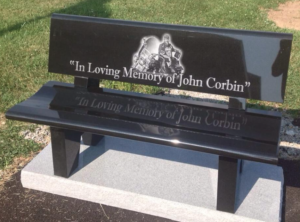
Jet Black park bench monument sitting on a concrete slab in a cemetery laser etched with image of motorcyclist and his bikeA name and dates tell you who is buried there. A portrait tells you who they were. That’s the gap laser etching fills, and it’s worth being specific about what it can actually do rather than describing it in the abstract.

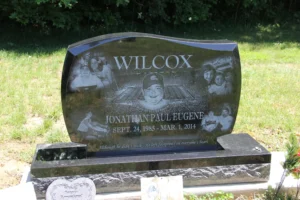
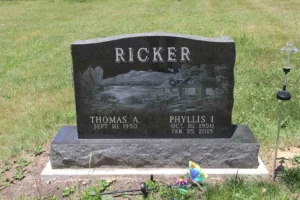
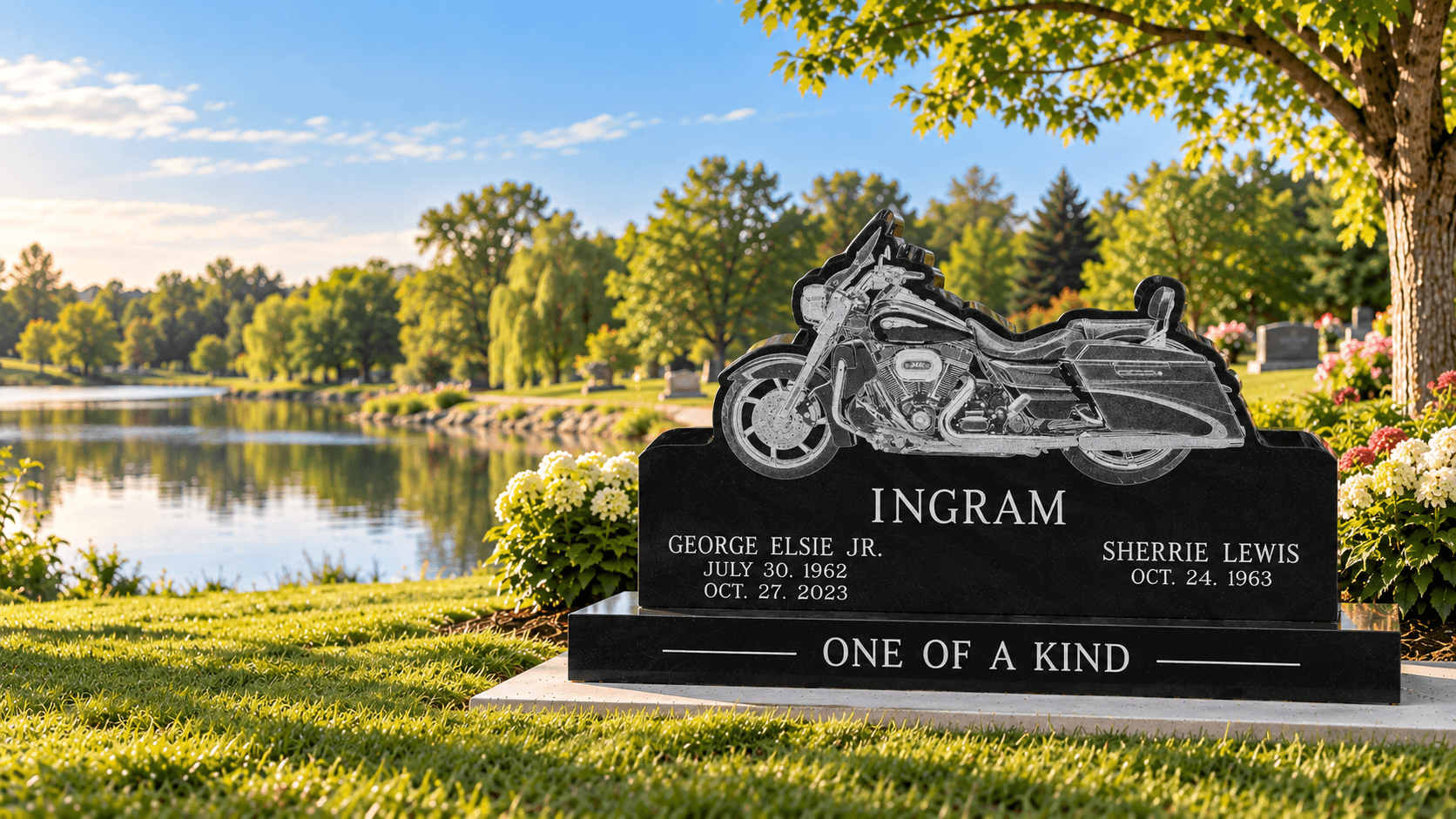
The process lightens the surface of dense, dark granite in fine detail, building a photorealistic image without cutting depth into the stone. No stencil, no dust, no letters standing in for a face. Given a clear photograph and the right granite, it can hold an expression, not just a likeness: closed eyes versus open, a specific smile rather than a generic one. That specificity is the whole appeal. Families aren’t choosing laser etching because it’s a newer technology. They’re choosing it because it can put an actual face on the stone instead of an idea of one.

It isn’t the only way to add a portrait. Hand etching, done with a diamond-tipped tool, gives a more handcrafted look for families who want that instead of photo-realistic precision. Laser etching earns its place for speed and detail, not because it replaces the alternative.

Not Every Memorial Needs a Portrait, and That’s the Point

Jet black Special Septop with champers and laser etched collage. Etching features OSU football stadium and family photosLaser etching is a good fit for some memorials and not others. That’s worth saying plainly instead of pitching it as something every family should want.

It requires Jet Black granite specifically, because that stone’s fine, even grain is what produces the contrast a photo-realistic image needs. A lighter or speckled stone won’t hold the same result, no matter how good the source photo is. Sandblasting, by comparison, physically removes stone through a stencil process. It works on any granite color, gives bold, deep lettering, and is the better choice when the point is a strong inscription rather than a face.

Many memorials use both, sandblasted names and dates paired with a laser-etched portrait, because the two techniques are answering different questions. One says who. The other says what they looked like. A family choosing between them isn’t choosing better or worse, they’re choosing what they most want the stone to say.

Behind the Work

Laser Etching technician preparing file for laser.The craft only holds up if the people doing it treat every photo as somebody’s actual grandfather, not a file to process. That’s the standard this work runs on, so it’s worth naming the steps instead of claiming the care.

A photo or design request comes in first, often not in great shape, a decades-old print, a phone screenshot of a photo of a photo. That image goes through a design proof, which the family reviews and approves before any etching starts. Image processing can sharpen detail and repair damage in a photo that’s faded or low-quality, but it can’t decide which detail matters most to keep, or catch a technically clean proof that just doesn’t look like the person anymore. That judgment call is why every piece passes a second check before it moves forward. A machine can clean up a photograph. It can’t be the last set of eyes on someone’s face.

Who This Tends to Work Best For
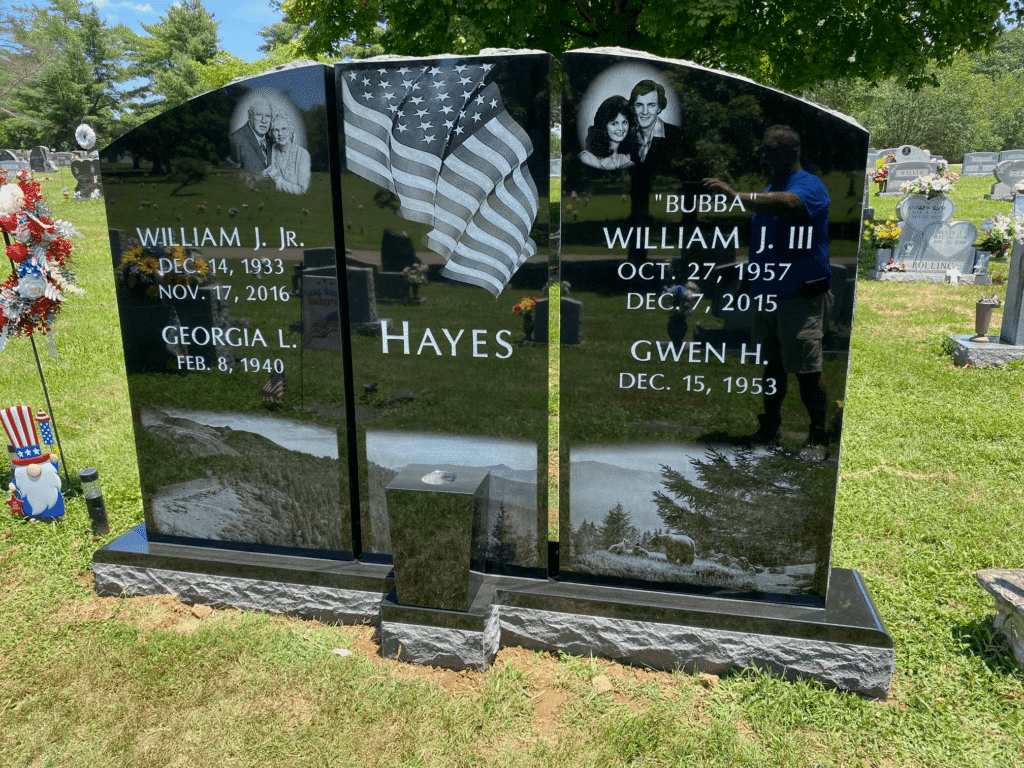
Jet black multi piece memorial with laser etchings of a flag, Mountain sceen featuring bears, and two images of a couple in their prime and later in life.This isn’t right for every family or every stone, and saying so up front saves a harder conversation later.

It works best when there’s a genuinely clear photo to start from; a real likeness comes through even a phone snapshot if the face is well-lit and in focus. It’s a strong fit for families who want the stone to be recognizable at a glance, not just readable. And it holds up over time in a way that matters for a monument meant to stand for generations: on Jet Black granite, a properly etched image can last decades, or even centuries, with minimal fading, because the etching changes the surface of the stone rather than sitting on top of it. Color is a separate, optional step, painted pigment over the etched image. The etch itself is permanent; the paint is weather-resistant rather than permanent, and typically holds about five years before it needs touching up. That’s a real distinction to walk a family through, not a footnote.

One more thing worth checking before a design gets promised: not every cemetery or diocese permits etched portraits. That’s a five-minute call that’s much better made before a family has already fallen in love with a design than after, and it’s one of a handful of questions worth having answers to before a dealer sits down with a family and walks them through what a laser-etched portrait can and can’t do.

Craft That Marks a Life
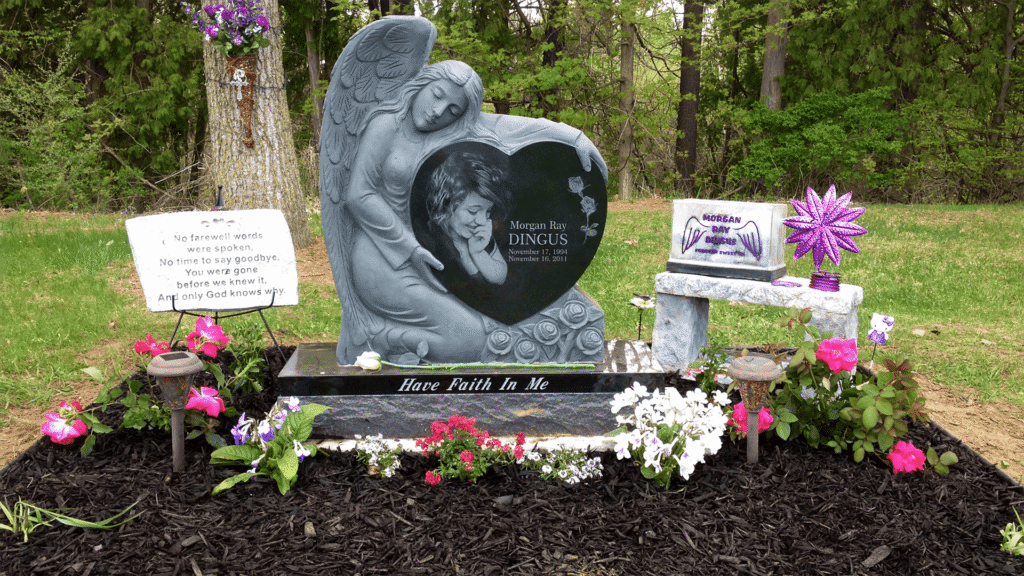
Angel holding Jet Black heart with laser etched portrait of woman sitting in a plot surrounded by other signs and flowers.Strip away the equipment and the workflow, and this comes down to a simple trade a family is making: do they want the stone to say who someone was, not just when. Laser etching is one good answer to that, not the only one, and knowing when it’s the right one is worth as much as knowing how it works. That kind of judgment is getting harder to lean on out of habit alone, since dealer expectations are shifting along with everything else in this market. Salem Stones has done this work in-house since 2011, on the belief that a face on a stone deserves the same care as the name beside it.
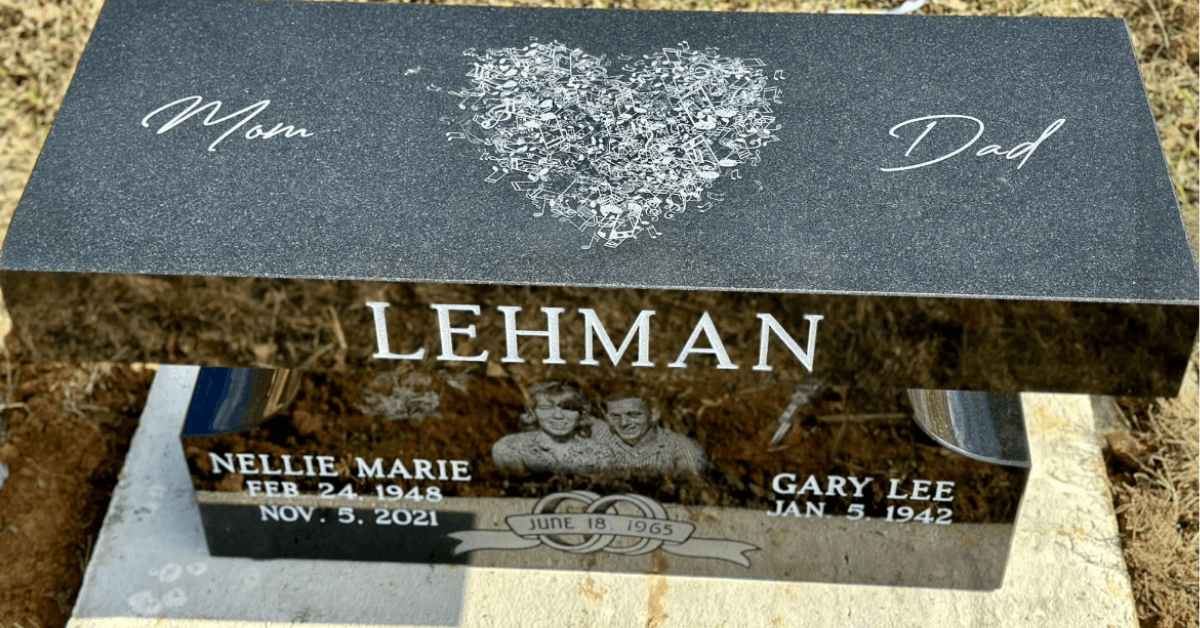
Explaining Laser Etching To Families

Practical answers and tools to help you support families with confidence. 

If you already offer laser etched memorials, you understand the technology’s potential to transform a monument into a stunning visual display. You’re the one families turn to when they want to commemorate a life with detail, depth, and emotional meaning. With its ability to capture fine detail and realistic imagery, a laser etched memorial can preserve memories with hyper-realistic precision.

But when challenges arise—like low-quality images or complex design requests—you need a resource that keeps you in control while helping you deliver consistent, high-quality results.

Your Challenge: Meeting Families’ High Expectations

African American couple listening to Family Service Counselor while sitting on a couch.Families may arrive with grainy photos from decades ago. They might have complex ideas for a collage, or multiple images that need to work together on a single monument. They expect you to turn those visions into a detailed, emotionally resonant reality — all without breaking the bank or missing the installation deadline.
That can be a lot to manage, especially when image quality or design complexity becomes a factor. That’s where working with Salem Stones can make a difference. With tools like AI-enhanced photo processing and in-house laser etching, we make it easier for you to say “yes” to more projects and keep things moving smoothly for the families you serve.


Common Questions Families Have About Laser Etched Memorials

Naturally, when families consider a laser etched memorial, they’ll often have questions—about the process, how long the image will last, or whether their photo will work well. These are important conversations, and you don’t have to navigate them alone. Salem Stones is here to support you with clear guidance, expert tools, and a reliable process. Below are some of the most common questions families ask, along with answers to help you respond confidently.

Q: Will the Etching Be Clear?

Families often provide photos that hold immense sentimental value, but the images might be old or have a low resolution. They may worry the etched image will look grainy or blurry. 

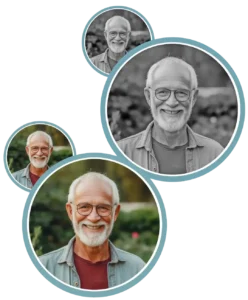
A: Starting with a high-quality image is ideal, but it’s not always possible. Our designers are trained in preparing photos specifically for granite. With your approval, we use advanced AI software to enhance and upscale images—removing blur, refining details, and smoothing out compression artifacts. By the time it’s ready for etching, you can assure families their cherished image will look crisp and lifelike on the monument.

We’ve worked on thousands of images and can often turn a faded original into a beautiful etched result. While we can’t fully restore or colorize images for etching, we can significantly improve the quality of most photographs. Whether images are uploaded through Salem Inspire or emailed to our Design Team, we typically return designs for approval within 48 hours.
How it Helps You:

  • You can accept most photos without concern for the initial quality.
  • You guide families with transparency and confidence.
  • You can respond promptly throughout the design process

Click here to see our laser etching image selection guide. 

 
Q: Can I Choose a Granite Color Other Than Jet Black?

Families may prefer a different color or want to match another monument. They may not know that laser etching only works well on certain granite types. 

Adding white pigment to laser etched angel on Jet Black graniteA: Laser etching requires stone with a dense, even grain and consistent dark color to produce high contrast and fine detail. That’s why we only etch on our premium Jet Black granite. Its fine grain and deep tone allow the laser to alter the surface at a precise depth, producing clear, long-lasting designs. Lighter or speckled granite doesn’t deliver the same result.

How it Helps You:

  • You can confidently explain why Jet Black granite is the best material for laser etching.
  • You set realistic expectations upfront, helping avoid dissatisfaction with the finished memorial.
 
Q: How Long Will It Last or Will It Fade Away?

Families want reassurance that their loved one’s portrait will last and not wear away or become damaged over time.

Laser etched 'spots' on a Jet Black Special Serptop with chamfers.A: Laser etching is extremely durable. Because the process changes the granite’s surface, the design becomes part of the stone. On Jet Black granite, a properly etched image can last for decades—or even centuries—with minimal fading. For maintenance, etched monuments should be cleaned gently with non-abrasive materials.

How it Helps You:

  • Gives you confidence when explaining the longevity of laser etching.
  • Helps families protect the design with simple care recommendations.
 
The laser etching artist used the images as a guide for coloring this laser etching of St. Joseph and baby Jesus.Q: Can Color Be Added?

Some families want a splash of color to make their memorial stand out, but they may worry about fading or ongoing maintenance.

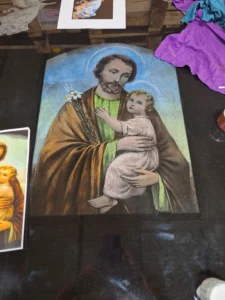
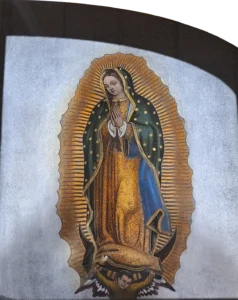
A: Color laser etching adds pigment to etched designs, creating visually striking results. It’s not a photographic process—it’s a hand-applied interpretation of a color image. While color etchings are beautiful, they do require more care over time. Depending on the conditions, sun and weather exposure, pigment added to laser etchings can last about 5 years. Some pigments, like white, may last longer before requiring touchups.

How it Helps You:

  • You can offer a premium option for families wanting something more personalized.
  • Being honest about color maintenance helps build trust.
 
Stunning color laser etching of Our Lady of Guadalupe.Q: How Quickly Can It Be Done?

Families often have a date in mind, such as an anniversary or unveiling ceremony, and want to know their memorial will be ready in time.

A: Timelines matter, and families should feel confident in both the quality and the schedule. Accuracy and quality always take precedence over speed—especially when color laser etching is involved. Because Salem Stones performs all laser etching in-house at our Columbus and Elberton facilities, you’re not reliant on outside vendors. That means fewer delays, more consistent communication, and more accurate delivery estimates. Monuments being laser etched by our team are ready to ship within 60 days of the final design approval. Every piece is reviewed for detail and accuracy before it ships.

How it Helps You:

  • Strengthens your reputation by helping families plan with confidence.
  • In-house production reduces delays, keeps your workflow on track, and minimizes the opportunity for damage during transportation between alternate vendors.
  • You can move on to your next project with confidence knowing quality and timelines are being met.
 
Q: What is the design process like?

Some families arrive with a clear idea, while others aren’t sure where to start. They may worry about how complex or time-consuming the design process will be.

Young African American couple smiling about a monument design on the table the woman is holding.A: Our design team supports you at every step—whether you just need help reviewing a layout or prefer full design collaboration. We work according to your preferences, taking on as much or as little as needed to keep your team focused.

If a family provides photos, sketches, or a general concept, we’ll handle layout, resizing, and proofs. If they request changes, you pass along the feedback, and we’ll revise quickly. This flexibility helps families feel included and confident. We continue adjusting until the layout is just right.

How it Helps You:

  • Your team isn’t bogged down by a complex design process.
  • Ensures families feel heard and involved throughout.
  • When you rely on top-tier expertise, families are more likely to recommend you to others. 

Meeting Your Needs — and Theirs

Full scene laser etched on a Jet Black serptop with white pigment applied.Families may arrive with grainy photos from decades ago. They might have complex ideas for a collage, or multiple images that need to work together on a single monument. They expect you to turn those visions into a detailed, emotionally resonant reality — all without breaking the bank or missing the installation deadline.

That can be a lot to manage, especially when image quality or design complexity becomes a factor. That’s where working with Salem Stones can make a difference. With tools like AI-enhanced photo processing and in-house laser etching, we make it easier for you to say “yes” to more projects and keep things moving smoothly for the families you serve.

Next Steps:
  1. Contact Our Team: Discuss pricing, design ideas, or special requests.
  2. Send Photos & Info: We’ll evaluate the images and help prepare them for etching.
  3. Review the Proof: Approve the layout or request changes before we begin.
  4. Receive the Finished Memorial: We etch, inspect, and ship—so you can present a beautiful tribute with confidence.


Looking for inspiration? Browse our Laser Etching Catalog or read our Laser Etching Guide for more tips and visuals.

Our Team is here to help

Click on your state to find your Regional Manager